Table of Contents
Key Takeaways
- Head-on collisions happen when two vehicles strike front to front and are often severe due to the combined impact force, even at moderate speeds.
- Most head-on crashes are caused by driver negligence, including distracted driving, impairment, fatigue, improper passing, wrong-way driving, or loss of control in poor conditions.
- Fault is usually placed on the driver who crossed into oncoming traffic, but New York’s comparative negligence rule allows responsibility to be shared and damages reduced based on each party’s role.
- The Odierno Law Firm helps head-on collision victims investigate liability, document severe injuries, and pursue full compensation for long-term medical and financial losses.
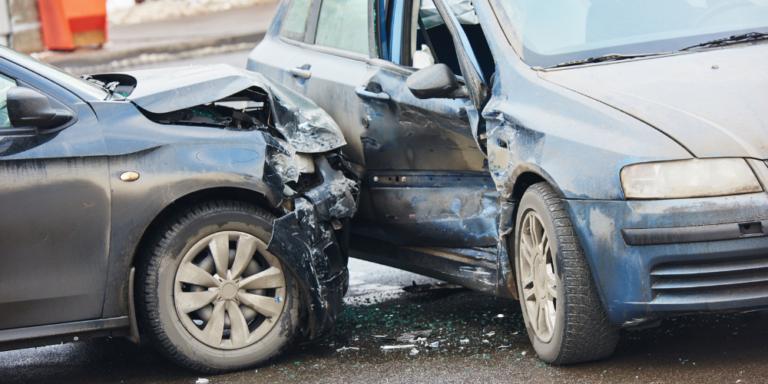
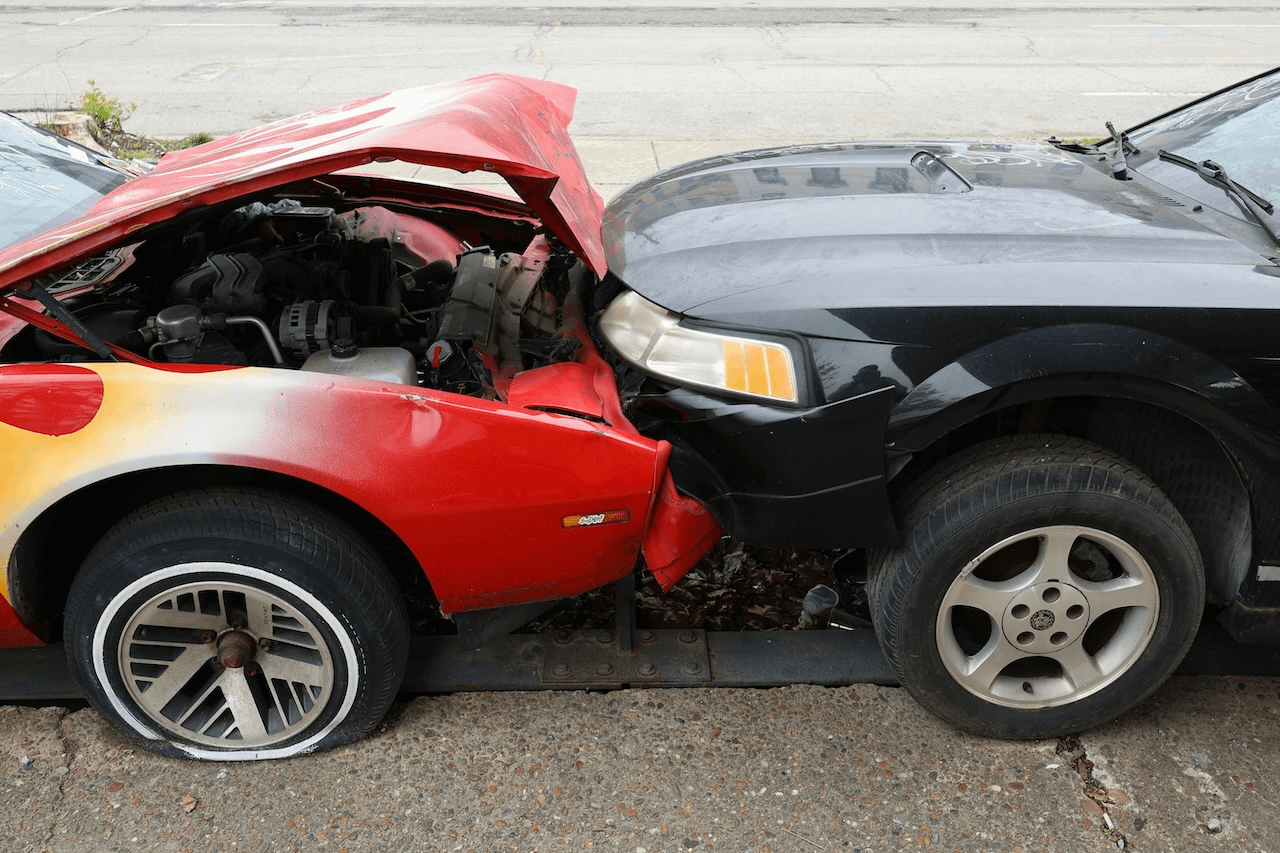
A head-on collision happens when the front ends of two vehicles strike each other. These crashes are less common than many other types of accidents, but they are among the most severe because the impact forces are so high. In this blog, you’ll learn why head-on collisions are so dangerous, what typically causes them, how fault is determined under New York law, and why working with the right lawyer can make a major difference after a serious crash.
Legally Reviewed By
Lee J. Odierno
Attorney/Partner

Lee J. Odierno was born in Melville, Long Island in 1977. He obtained a Bachelor Arts Degree in Military History from the University of Maryland, College Park in 2000. In 2003, Lee graduated from New York Law School and was subsequently admitted to practice in the State of New York. After admission, Lee joined The Odierno Law Firm, P.C.’s no-fault litigation department.
What Makes Head-On Collisions Particularly Dangerous?
When two vehicles collide front to front, the force of the crash increases sharply because both vehicles are moving toward each other. Even at moderate speeds, the combined impact can be similar to hitting a solid wall at high speed. This is why head-on collisions often involve life altering injuries.
Typical injuries include traumatic brain injuries, spinal cord damage, organ injuries, crushed limbs, multiple fractures, and internal bleeding. Many survivors face long recoveries that involve surgery, rehabilitation, lifestyle changes, and the possibility of permanent disability. Even with modern safety features, the human body can only withstand so much force.
The long term effects can affect every part of life. Victims may be unable to return to work, lose mobility, require ongoing medical care, or experience chronic pain. These realities are why the medical and financial stakes in a head-on collision case are often much higher than in a standard fender bender.
Common Causes of Head-On Collisions on Long Island
Most head-on crashes are caused by some type of driver negligence. Although each accident is different, certain patterns appear again and again on Long Island roads.
- Distracted driving. Looking away from the road for even a moment can cause a driver to drift over the center line. Texting, using apps, eating, or reaching for items all increase the risk.
- Impaired or fatigued driving. Alcohol, drugs, or extreme tiredness can cause a driver to swerve into oncoming traffic or enter a roadway in the wrong direction.
- Improper passing. Many Long Island roads include undivided or two lane sections. Passing without enough visibility or misjudging the distance of oncoming traffic can result in a direct impact.
- Wrong-way driving. Drivers may enter a ramp or one way street incorrectly. These crashes are often catastrophic because the unsuspecting driver has little time to react.
- Poor road or weather conditions. Rain, ice, poor lighting, or faded lane markings can make it easier for a driver to slip across the center line.
- Mechanical defects. Although less common, steering failures, tire blowouts, or brake problems can cause a driver to lose control.
While negligence is usually the root cause, multiple factors can combine to create a dangerous situation. Understanding what happened is an important part of building a strong legal case.
Understanding Fault in Head-On Collisions
New York is a no-fault insurance state. This means that after most car accidents, each driver files a claim with their own insurance company for basic medical expenses and lost wages. However, these benefits are limited. Victims who suffer serious injuries may step outside the no-fault system and pursue a personal injury claim for additional damages such as pain and suffering, long term care, and reduced earning capacity.
To do that, fault must be established. In head-on collisions, liability is often clearer than in some other crash types. The driver who crosses the center line or enters the road in the wrong direction is typically considered responsible. However, there are situations in which fault is shared. For example, one driver may drift into oncoming traffic, but the other may be speeding or distracted. New York follows a pure comparative negligence rule, so a victim’s compensation is reduced by their percentage of responsibility.
In some cases, additional parties may be involved. A municipality may be liable for failing to maintain safe road conditions. A vehicle manufacturer or repair shop may be responsible if a defect contributed to the crash. Sorting out these issues requires careful investigation and an understanding of how New York law applies to the specific facts.

Do You Need a Lawyer for a Head-On Collision?
Head-on collision cases are rarely simple. The injuries are often severe, which means the financial stakes are high. The evidence can be complex and may require expert analysis, including accident reconstruction or medical evaluations. Insurance companies tend to fight these claims aggressively because the potential payouts are significant.
A head-on collision accident lawyer can evaluate the full extent of your damages, including future medical needs and long term financial impact. This is crucial because accepting a low settlement too early can leave victims without the resources needed to move forward. A lawyer can also identify all possible sources of compensation and ensure that deadlines and legal requirements are met.
In short, these cases require a level of attention and expertise that most people cannot manage on their own while trying to recover from serious injuries.
Were You Involved in a Head-On Car Crash On Long Island? We Can Help.
Head-on collisions on Long Island are among the most dangerous types of crashes. They often cause catastrophic injuries, significant financial losses, and long lasting personal consequences. Understanding the causes, the rules surrounding fault, and your rights under New York law is an important first step, but taking action quickly can make all the difference.
If you or a loved one has been injured in a head-on collision, the team at The Odierno Law Firm is ready to help. Our attorneys have extensive experience with severe car accident cases on Long Island and are committed to fighting for the full compensation you deserve. Contact us as soon as possible so we can protect your rights and begin building the strongest case on your behalf.