Table of Contents
Key Takeaways
- Rear-end collisions are common in New York and are typically handled first through the injured driver’s own no-fault (PIP) insurance.
- Drivers may pursue additional compensation from the at-fault driver if their injuries meet New York’s “serious injury” threshold.
- While the rear driver is usually presumed to be at fault, liability can still be disputed depending on factors like sudden stops, brake light issues, or contributing actions.
- The Odierno Law Firm helps rear-end accident victims prove liability, document the full extent of injuries, and pursue maximum compensation when insurance coverage is not enough.
Rear-end collisions are one of the most common types of car accidents in the United States, accounting for as much as 30% of all motor vehicle accidents. If you’ve been rear-ended on Long Island, acting quickly and carefully is essential to protect your health, your vehicle, and your legal and insurance rights. Knowing the steps to take can make a significant difference in recovery and in any claim you may need to pursue.
Legally Reviewed By
Michael A. Spector
Attorney

Michael A. Spector was born in Mineola, New York in 1977. He obtained a Bachelor Arts Degree in Marine Affairs with minors in Economics and Chemistry from the University of Miami in 1998. In 2003, Michael graduated from Hofstra University Law School. Michael worked at Tell, Cheser & Breitbart LLP as outside counsel for several insurance companies. Michael has also worked in-house at The Robert Plan and as staff counsel, then trial counsel in the no-fault litigation department of Travelers Insurance Company.

1. Ensure Safety and Call for Help
The first priority after any crash is safety. If possible, move your vehicle to a safe location, like the shoulder or a nearby parking lot, and turn on your hazard lights. Make sure everyone involved is out of immediate danger, and check for injuries.
Even if injuries seem minor, call 911. Police presence is important not only for emergency medical assistance but also for creating an official record of the accident. New York law requires a report when there are injuries, fatalities, or property damage of more than $1,000, and having a police report can support both insurance and legal claims later.
2. Exchange Driver and Insurance Information
After the immediate scene is safe, exchange contact and insurance information with the other driver. Collect their name, phone number, insurance company and policy number, license plate number, and vehicle details. As you speak with the other driver or drivers, it’s important to avoid admitting fault or apologizing. Stick to the facts, as statements made at the scene can potentially be used against you later.
3. Document the Accident
Documentation is crucial for both insurance claims and potential legal action. Take clear photos or videos of:
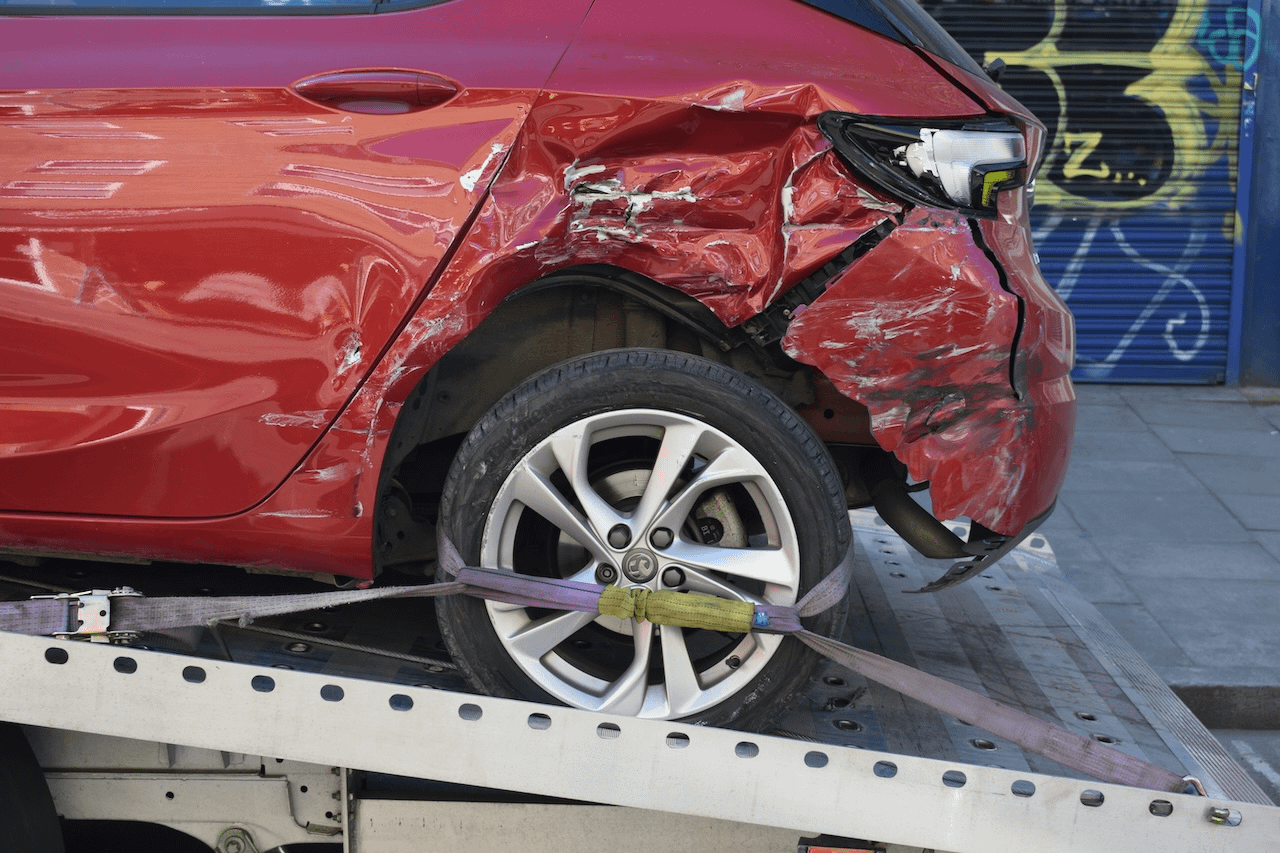
- Vehicle damage, including all angles
- License plates and registration stickers
- The overall scene, including traffic signals, skid marks, and road conditions
- Any relevant nearby cameras, like at businesses or intersections
If there were witnesses, collect their names and contact information. Additionally, write down your account of the accident while it is fresh in your memory, noting the time, location, weather, and any immediate physical sensations or pain.
4. Seek Medical Attention
Even if you feel fine, get a medical evaluation promptly. Injuries like whiplash, concussions, or soft tissue damage may not be immediately apparent but can worsen over time. Prompt medical attention ensures your health is protected and also establishes a record necessary for insurance coverage. Follow all recommended treatment and keep detailed records of visits, tests, and prescribed care.
5. Notify Your Insurance Company
Report the accident to your insurance company as soon as possible. Provide factual information about what happened, including the date, time, and location. Starting your claim promptly ensures your medical bills, lost wages, and other covered expenses can be handled quickly through your policy.
What to Do in the Days and Weeks After the Accident
Even after leaving the scene, there are important steps you should take to protect yourself and your potential claim:
- Keep all records: Save medical bills, treatment notes, repair estimates, receipts, and any correspondence with insurance companies. Keeping organized records creates a clear timeline of your recovery and expenses, which can be critical if questions arise later.
- Track your symptoms and recovery: Maintain a detailed journal of your physical symptoms, pain levels, and any limitations in daily activities. Note when symptoms first appear, how they change, and how they affect work or personal life. This record is valuable evidence if you need to seek compensation for ongoing effects.
- Limit discussions about the accident: Do not post details on social media or share information about the crash with anyone other than your own insurance company, medical providers, or legal counsel. Casual statements can be misinterpreted or used against you later if a claim becomes necessary.
- Follow medical advice closely: Attend all follow-up appointments and adhere to prescribed treatments or therapy. Inconsistent care or gaps in treatment can raise questions about the seriousness of your injuries later.
- Stay organized and proactive: Keep a folder (digital or physical) with all accident-related documents. Make notes of phone calls, emails, and any interactions with insurers, medical providers, or repair shops. Being proactive helps you respond quickly if a dispute arises.
How Fault and Compensation Work in a Rear-End Accident
New York is a no-fault state, which means your own insurance policy generally covers certain expenses after a car accident, regardless of who caused it. This coverage is provided through Personal Injury Protection (PIP) benefits and typically includes:
- Medical expenses: Hospital visits, doctor appointments, physical therapy, and other necessary treatments
- Economic losses: Lost wages or income if you are unable to work due to your injuries
- Essential services: Reasonable costs for help with daily activities if your injuries prevent you from performing them
Most PIP policies in New York provide minimum coverage of $50,000 per person, which usually handles minor and moderate injuries resulting from a rear-end collision.
If your injuries are more serious, you may need to pursue additional compensation from the at-fault driver. New York law defines a serious injury to include death, dismemberment, significant scarring or disfigurement, fractures, permanent loss or limitation of a body function, or injuries that substantially interfere with your ability to carry out daily activities for a long period of time.
In most rear-end accidents, the driver who hits from behind is initially presumed to be at fault, but that doesn’t always make filing a car accident claim simple. Exceptions can arise if the lead driver stops suddenly without cause, has malfunctioning brake lights, or otherwise contributes to the crash. Pursuing compensation beyond your insurance coverage requires proving both the seriousness of your injuries and the other driver’s liability, which is why careful documentation and, often, legal guidance are essential.
How a Rear-End Accident Lawyer Can Help Protect You
If your injuries are serious or your claim goes beyond the coverage provided by your insurance, working with a rear-end accident lawyer can be critical. A lawyer’s role isn’t just proving that the other driver caused the accident; they also ensure that your damages are accurately calculated and that insurance companies don’t undervalue your claim.
Experienced attorneys can guide you through the process, helping to navigate your insurance benefits, preserve evidence from the scene and medical records, advocate for additional compensation when serious injuries are involved, and communicate effectively with insurance companies to protect your rights. Having professional guidance can make a significant difference in the outcome of your claim, especially when injuries are long-lasting or liability is complex.