Table of Contents
Key Takeaways
- Fault in Long Island multi-vehicle accidents may be shared among several drivers, with liability determined by reconstructing the sequence of collisions using police reports, witness statements, video footage, vehicle damage, and accident reconstruction evidence.
- New York’s no-fault insurance system generally provides up to $50,000 in basic economic benefits regardless of fault, while victims who suffer qualifying serious injuries may pursue additional compensation through a personal injury claim.
- Shared fault can reduce an injured person’s compensation, making it important to establish each driver’s responsibility, preserve accident evidence, and identify all available insurance coverage when pursuing a multi-vehicle accident claim.
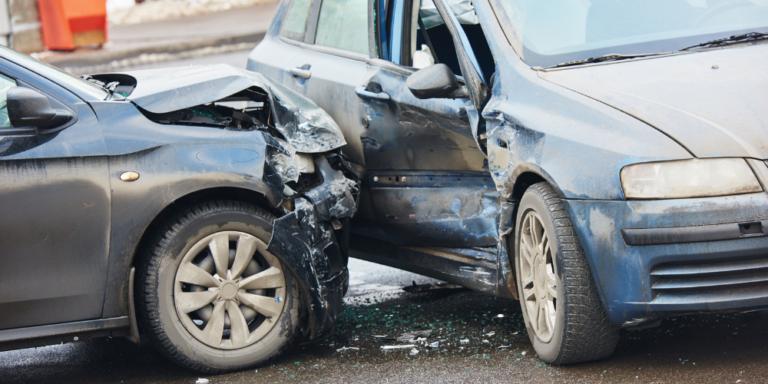
When three or more vehicles are involved in the same crash, figuring out who caused what can get complicated quickly. One driver may trigger the first collision, another vehicle may be pushed forward, and another motorist may contribute by following too closely, speeding, or failing to react to what is happening ahead.
For someone injured in the crash, sorting out responsibility matters because it can affect which insurance companies are involved and where compensation may ultimately come from. Below, we’ll explain how fault is determined in Long Island multi-vehicle accidents, including what evidence matters most, and how injured drivers can go about pursuing compensation.
Click here to schedule a confidential consultation or call our office at 631-752-8580.
Legally Reviewed By
Scott F. Odierno
Attorney/Partner

Long Island accident lawyer Scott F. Odierno was born in Bronx, New York, in 1967, and moved to Long Island in 1973. He obtained a Bachelor of Arts in Medieval and Renaissance History from Brown University in 1989. At Brown, Scott was captain of the Baseball team and a First Team All-Ivy catcher. Scott joined The Odierno Law Firm, P.C. upon graduating from New York Law School in 1992. His practice is concentrated in two fields: Personal Injury and No-Fault litigation. He is admitted to practice in Federal Court in both the Eastern and Southern Districts of New York in addition to all New York State Courts.


Determining Fault in a Multi-Vehicle Collision
Fault in a multiple-vehicle crash usually depends on reconstructing the sequence of events from beginning to end. That means identifying what triggered the first collision, how the vehicles moved afterward, and whether any driver made a separate mistake that contributed to a later impact.
The key questions often include:
- What caused the initial collision?
- How did that first impact affect the vehicles around it?
- Did another driver have time to slow down, stop, or avoid becoming involved?
- Did speeding, distraction, impairment, an unsafe lane change, or another action contribute to a later collision?
- Did more than one driver’s actions combine to cause the overall crash?
This is what makes multi-vehicle accidents different from many two-car collisions. Responsibility may need to be assigned at several points in the same event rather than based on a single impact between two drivers.
In some cases, one driver may bear most of the responsibility. In others, fault may be divided among several motorists whose actions contributed at different stages of the crash. Because the people involved in the accident often only saw part of what happened, determining that sequence of events often depends on piecing together different types of evidence.
What Types of Evidence Matter in Long Island Multi-Car Accidents?
The most useful evidence is that which helps show where each vehicle was, how it was moving, and what happened at each stage of the crash. This can include:
- Police reports, which may contain driver statements, witness information, citations, roadway conditions, and the responding officer’s observations
- Dashcam, surveillance, and traffic-camera footage, which may show how the collision began and how the vehicles moved afterward
- Photographs and videos of the scene, including vehicle positions, damage, debris, skid marks, traffic signals, and road conditions
- Witness statements, particularly from people who had a broader view of the crash than the drivers involved
- Vehicle damage patterns, which can help establish the direction and sequence of impacts
- Electronic vehicle data, which may provide information about speed, braking, and other activity immediately before a collision
- Cellphone records, when distracted driving is suspected
- Accident reconstruction analysis, when the order of impacts, vehicle speeds, or movements remain disputed

In an accident that involves multiple vehicles, no single piece of evidence may tell the entire story. Comparing several sources can help establish how the collision developed and what role each driver played.
Who Pays for Medical Bills After a Multi-Car Crash?
New York operates under a no-fault insurance system. This means that a driver or passenger injured in a covered motor vehicle accident will generally seek no-fault benefits through the insurance covering the vehicle they occupied. These benefits are available regardless of who caused the accident and typically provide up to $50,000 per person for basic economic losses, including qualifying medical expenses, lost earnings, and certain other necessary expenses.
No-fault coverage may be sufficient for drivers whose injuries are relatively minor. However, in serious cases, such as those involving catastrophic injuries like traumatic brain injuries and spinal cord injuries, it may not be enough to cover everything an injured person loses. That’s when filing a personal injury claim may be necessary. To file such a claim after a motor vehicle accident, a person must generally have suffered a “serious injury.” Under New York law, this includes injuries such as a fracture, significant disfigurement, permanent loss or limitation of a body part or function, or another significant physical limitation.
Personal injury claims allow victims to pursue compensation for pain and suffering and other types of damages that are not typically available through no-fault insurance. However, these claims are also fault-based, which means that you must be able to demonstrate that another driver was responsible for your injuries.

Click here to schedule a confidential consultation or call our office at 631-752-8580.
How Does Shared Fault Affect a Multi-Vehicle Accident Claim?
For motor vehicle personal injury claims, New York uses a modified comparative negligence rule. This means that if the injured person shares some fault, their compensation is reduced according to their percentage of responsibility. If their share of fault is greater than the combined fault of the defendants they are seeking compensation from, they can be barred from recovering damages.
For example, if an injured driver has $100,000 in damages and is found 20% responsible for the accident, their recovery would be reduced by 20%, leaving $80,000. If several other drivers contributed to the crash, fault may be divided among each of them as well.
This makes the allocation of fault especially important in a multi-vehicle claim. The percentages assigned to each person can affect both the injured person’s recovery and which drivers and insurers may ultimately be responsible for paying it.
How Can a Lawyer Help With a Multi-Vehicle Accident Claim?
A multi-vehicle personal injury claim can involve several insurance companies, different sources of coverage, extensive medical documentation, and competing claims for compensation. Keeping those pieces organized can become difficult while you are also recovering from your injuries.
A Long Island multi-vehicle accident lawyer can help by:
- Identifying the insurance policies that may provide compensation
- Handling communications with the different insurance companies involved
- Gathering medical records, employment records, and other documentation of your losses
- Calculating the value of current and future damages
- Tracking filing requirements and other important deadlines
- Reviewing settlement offers and negotiating with insurers
- Coordinating claims when several injured people are seeking compensation
- Filing a lawsuit and representing you in court when a fair settlement cannot be reached
Having an attorney manage these issues can be especially valuable when several insurers or claimants are involved, since resolving the case may require coordinating multiple claims rather than negotiating with a single insurance company.
Click here to schedule a confidential consultation or call our office at 631-752-8580.
What Should You Do After a Multi-Vehicle Car Accident on Long Island?
The aftermath of a crash involving multiple drivers can be chaotic, but a few steps can help protect both your health and any claim you may later pursue:
- Call 911 and seek medical attention. Some injuries may not be immediately apparent after a serious collision.
- Avoid arguing about who caused the crash. Tell the responding officer what you observed, but do not speculate about parts of the collision you did not see.
- Photograph the accident scene, including all of the vehicles involved, not just your own. Their positions and damage may become important when reconstructing the sequence of impacts.
- Document the surrounding scene, including debris, skid marks, traffic signals, lane markings, weather conditions, and other relevant details.
- Collect information from drivers and witnesses. With several vehicles involved, identifying everyone later can become more difficult.
- Preserve dashcam footage and any photographs or videos taken immediately after the accident.
- Keep records of your losses, including medical bills, missed work, repair costs, and other accident-related expenses.
- Be cautious when speaking with insurance adjusters. Keep your statements about what happened factual and avoid providing more information than necessary.
If you suffered significant injuries or responsibility for the crash is disputed, speaking with an experienced personal injury attorney early can also help preserve evidence and determine which insurance policies and claims may apply.
Speak With a Long Island Multi-Vehicle Accident Lawyer at The Odierno Law Firm
Multiple-vehicle collisions can involve several drivers, several insurance companies, and conflicting accounts of what happened. Building a personal injury claim may require reconstructing the sequence of impacts, determining how each driver contributed, identifying all available insurance coverage, and documenting the full extent of the injured person’s losses.
The Odierno Law Firm has represented injured Long Islanders since 1978. Our attorneys bring more than 150 years of combined legal experience to personal injury cases and have recovered more than $300 million for our clients. If you were injured in a multiple-vehicle accident on Long Island, contact our team today to schedule a free consultation.